Halloween Candy and Your Child's Teeth: A Pediatric Dentist's Guide
Introduction
Halloween is one of the few times of year when candy consumption gets a permission slip, and as a pediatric dentist in Christiansburg, we're not here to cancel trick-or-treating. But some candy genuinely does more damage to kids' teeth than others, and a few simple habits around the candy bucket can make a real difference in whether your child heads into November with a cavity or without one.
Why Halloween Candy Is Uniquely Risky for Teeth
It's not just the sugar - it's the volume, the frequency, and the type. A large haul of candy often gets eaten in small amounts throughout the day for days or weeks afterward, which means teeth spend far more total time exposed to sugar and acid than they would from a single dessert after dinner. Certain candy textures make this worse by clinging to teeth long after the wrapper is in the trash.
The Worst Offenders for Kids' Teeth
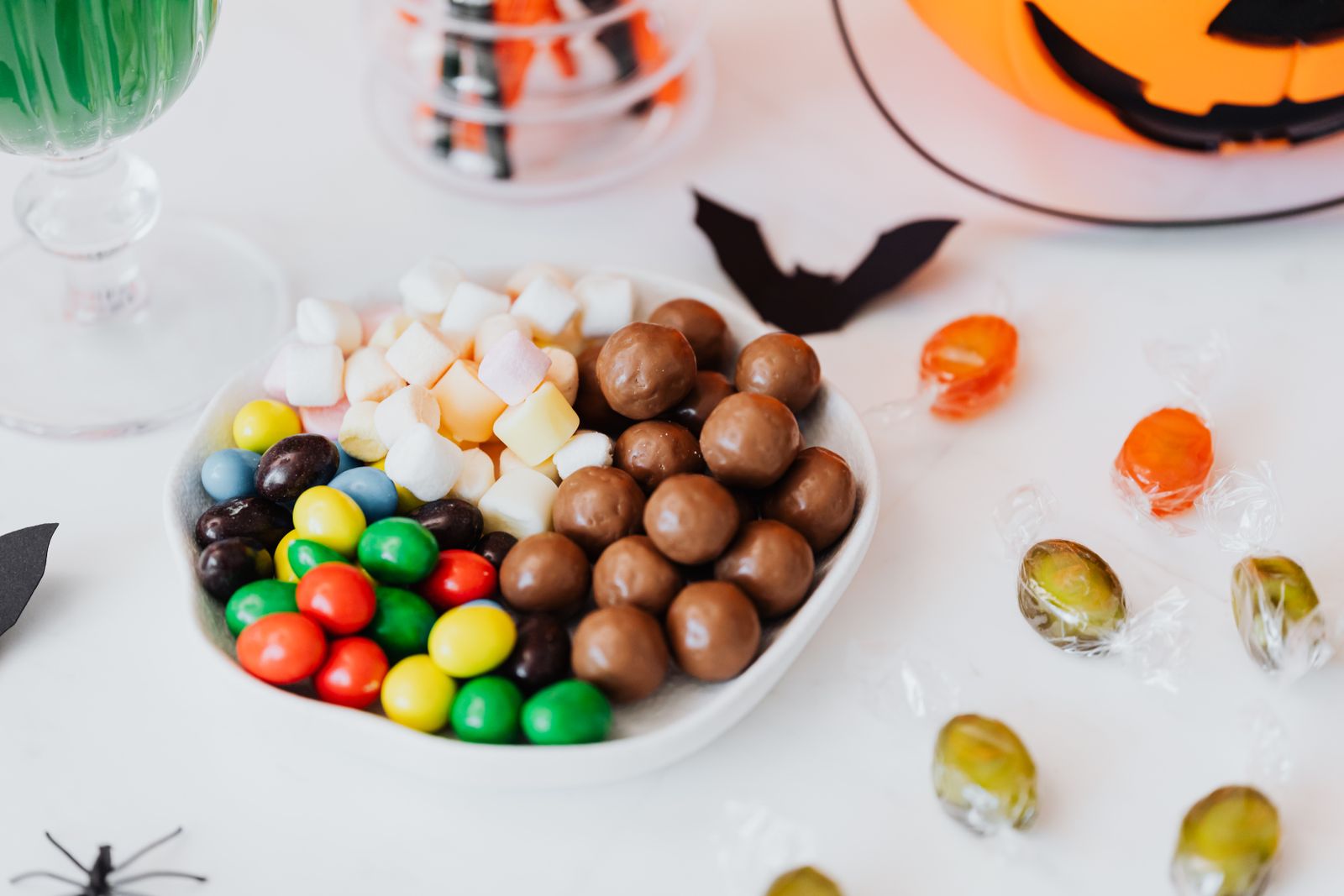
Sticky and chewy candies - taffy, caramels, gummy candies, and anything that can pull at a filling - are the biggest concern because they physically stick in the grooves of teeth and between them, feeding bacteria for hours. Sour candies are a close second: the acidity temporarily softens tooth enamel, and the exaggerated sourness often means kids eat them slowly, extending the acid exposure. Hard candies that get sucked on for a long time keep sugar in constant contact with teeth, and can also pose a choking or chipped-tooth risk for younger kids.
Better Choices If You're Handing Out Candy
Plain chocolate is genuinely one of the better options - it melts and clears the mouth faster than sticky or sour candy, and dissolves easily with a drink of water or a quick brushing. If you'd rather skip candy altogether, small non-food treats like stickers, temporary tattoos, or small toys are increasingly popular with trick-or-treaters and remove the dental risk entirely.
A Realistic Plan for the Halloween Haul
Trying to ban candy outright after Halloween rarely works and can backfire by making it more tempting. A more realistic approach: let your child enjoy some candy the night of, then set a daily limit - a piece or two after a meal rather than grazing throughout the day - and store the rest out of easy reach. Eating candy alongside a meal, rather than as a standalone snack, also helps because saliva production during meals helps rinse sugar and acid off teeth naturally.
Timing Matters as Much as Quantity
When your child eats candy matters almost as much as how much. Grazing on candy throughout the day means teeth are almost never free of sugar, which is harder on enamel than eating a larger amount at once and then giving teeth a break. Encourage water after candy, and try to avoid candy right before bed when saliva flow naturally slows down overnight, leaving sugar sitting on teeth for hours.
Simple Habits That Undo Most of the Damage
Rinsing with water immediately after eating candy, chewing xylitol gum to boost saliva flow, and sticking to the normal twice-daily brushing routine cover most of what's needed to protect teeth through candy season. None of this requires taking Halloween away from your child - it just adds a few small habits around it.
Why Sealants Make Halloween Less Stressful
If your child already has dental sealants on their back molars, Halloween candy is considerably less risky - sealants cover the deep grooves where sticky candy tends to get trapped and bacteria would otherwise thrive. If your child hasn't had a sealant evaluation yet, early fall (before candy season ramps up) is a genuinely good time to schedule one.
When to Call Your Pediatric Dentist
Most Halloween candy indulgence doesn't need a dental visit, but a few situations do: a lost filling or crown, a cracked tooth from hard candy, or ongoing tooth pain in the days after Halloween. If any of these come up, don't wait for a routine appointment - emergency pediatric dental care is available for exactly this kind of situation.
Conclusion
Halloween candy and healthy teeth aren't mutually exclusive - it mostly comes down to which candies your child eats, how often, and a few simple habits afterward. A little planning now means your family can enjoy the holiday without turning it into a dental problem in November.
FAQ
What's the worst type of Halloween candy for kids' teeth?
Sticky and chewy candies like taffy, caramels, and gummies are generally the worst, because they cling to teeth and feed bacteria for hours after eating.
Is chocolate really better than other candy for teeth?
Yes, relatively speaking. Chocolate dissolves and clears the mouth faster than sticky or sour candy, making it easier to rinse away with water or brushing.
How much Halloween candy is okay for my child to eat per day?
There's no strict universal number, but limiting candy to a piece or two after a meal - rather than grazing throughout the day - meaningfully reduces the time teeth spend exposed to sugar.
Do dental sealants really help with candy-related cavities?
Yes. Sealants cover the deep grooves in back molars where sticky candy commonly gets trapped, making those teeth significantly more resistant to cavities during high-sugar periods like Halloween.

Medically Reviewed By
Pediatric dentist with more than 35 years of clinical experience. Trained in pediatric dentistry at Children's National Medical Center, Washington, D.C., and fluent in English and Spanish.